
Laser Applications & Markets for Cutting and Engraving CNC Lasers
Laser Applications in CNC Industry
Ideal for CNC laser applications, PLH3D-Series cutting and engraving heads are tolerant to vibration, and their PCB covers resist metal chips. The LaserDock accessory turns the laser head into a plug-and-play tool while milling in dust or when working with liquid-cooled spindles. Low supply voltage and compact size simplify integration compared to CO2 systems. Another advantage is a lower total cost versus many alternative solutions.
PLH3D-Series heads accept various input control signals, including PWM spindle output, TTL and analog. OEM solutions are available to offer engraver add-ons. For users working primarily with metals: Opt Lasers 6 W laser heads can mark stainless steel, one of the most common materials in machine building.
3D Printing Industry
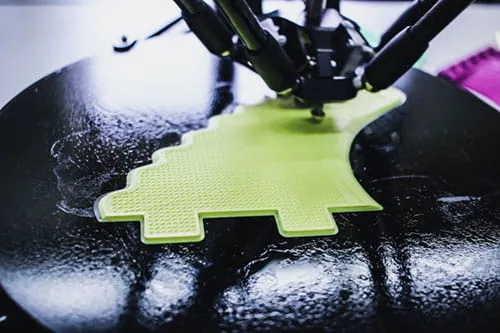
3D printing is ubiquitous in prototyping. Adding laser cutting/engraving dramatically expands a printer’s capabilities in R&D and short-run production. Blue 450 nm light engraves many filament colors effectively. PLH3D heads support TTL, PWM and analog control, with a wide supply range (12–24 V) and low mass (≈210 g) suitable for many motion stages. Various OEM options are available.
Rubber and Soft Material Processing
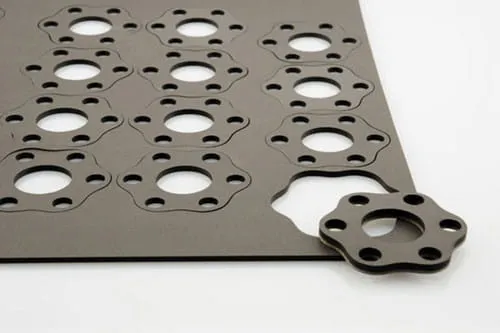
The compact PLH3D Series fits high-density machines (e.g., rubber cutters). High-power fans help evacuate smoke for cleaner results. A long diode lifetime (>10 000 h, typ.) supports high reliability. Applying slight tension to the material can increase cutting speed—used, for example, with wheel-weight stickers; darker adhesives generally process faster.
Fabric Industry
High absorption of blue light enables fast cutting of fabrics without damaging protective layers used in cutting stacks. Adequate depth of focus allows cutting thicker and irregular textiles. High power density can process fabrics slightly reinforced with carbon or nylon fibers. Many thin materials for tents, kites and bags can be cut at up to ~60 mm/s, offering a cost advantage versus some CO2 setups.
Woodworking, Arts & Crafts
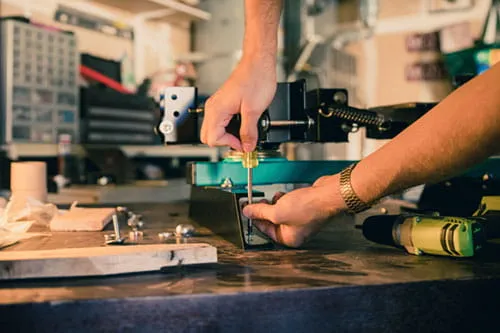
Blue 450 nm light is strongly absorbed by most woods, enabling rapid marking of patterns, images, serial numbers or initials. Shade and line width/depth can be tuned via power and focus. The integrated fan helps remove smoke, and the LaserDock enables quick, clean detachment in dusty environments. With sufficient power (e.g., PLH3D-6W-XF+), fine grayscale and high-contrast vector engravings are achievable. The compact, lightweight form fits most CNC machines and many 3D printers. Typical cuts include cardboard, balsa, thin woods, fabrics and select plastics; carved relief textures in wood are also possible.
Stationery, Greeting & Business Cards
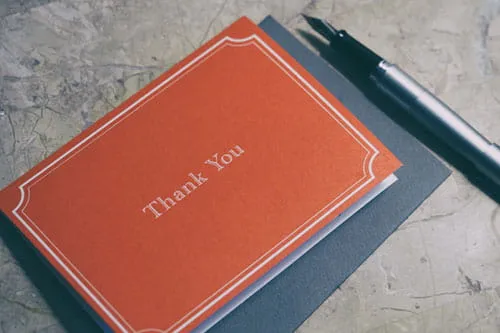
In stationery, lasers excel at rapid patterning and personalization on cardboard, paper, plastics and engraving laminates. Painted glass can also be engraved. Thanks to small size and low mass, our heads retrofit many machines—useful for refreshing older CO2 systems with a modern 450 nm source such as PLH3D-6W-XF+.
Low-Carbon CO2 Laser Replacement
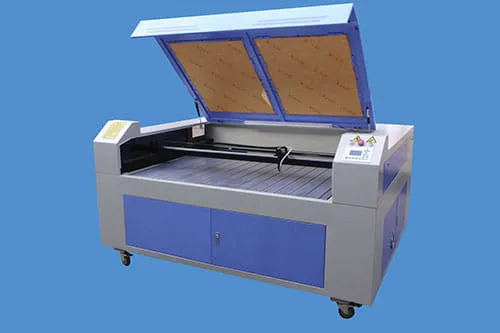
Semiconductor laser heads are increasingly replacing older CO2 solutions in many use cases. While CO2 remains essential for some materials and thicknesses, blue 450 nm heads continue to expand into new application areas each year. Customers and repair services report successful retrofits of legacy CO2 machines—often simpler, faster and more economical than replacing tubes.
PCB Prototyping
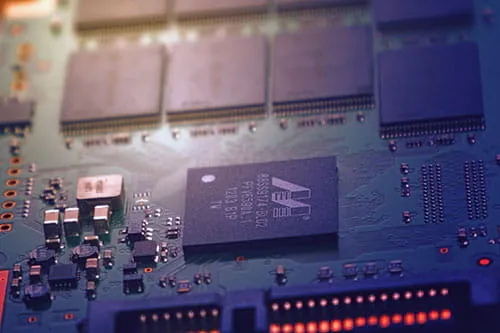
Single-layer PCBs can be prepared in minutes; with proper prep, two-layer boards are also feasible. Without UV exposure steps, rapid prototypes are possible with feature sizes down to ~0.15 mm (6 mil). Compared to UV methods, only a black paint mask is needed—the copper is painted, then selectively ablated before etching. Thin, uniform paint layers further accelerate prep.
Cutting and Engraving Applications
With the PLH3D-6W engraving head, many materials can be cut or engraved. Engraving is straightforward—often a single pass with suitable speed. Materials thicker than ~0.5–1.5 mm may require multiple passes to cut through; foams and very soft media can sometimes be cut with large per-pass depths. Cutting performance depends on material structure, color and density (e.g., acrylic and hard plywood typically require more passes per millimeter).
| Material | Cut | Mark / Engrave | Max thickness tested for cutting |
|---|---|---|---|
| Paper | 0.1 mm | ||
| Cardboard (hard) | 3 mm | ||
| Cardboard (fluted) | 6 mm | ||
| Balsa | 10 mm | ||
| Plywood (soft) | 6 mm | ||
| Plywood (hard) | 3 mm | ||
| Wood | 3 mm | ||
| Rubber (dark)1 | 1.5 mm | ||
| T-shirt fabric | 0.5 mm | ||
| Jeans | 0.8 mm | ||
| Acrylic (colored)3 | 3 mm | ||
| Plastic (dark) | 1 mm | ||
| Artificial leather | 2 mm | ||
| Real leather | 2 mm | ||
| Felt | 3 mm | ||
| Nylon | 0.2 mm | ||
| Glass-reinforced foil2 | 0.5 mm | ||
| Thermal pad (foam) | 3 mm | ||
| Thermal pad (textile) | 0.3 mm | ||
| Stretch foil (dark) | 0.005 mm | ||
| Lead foil | 0.5 mm | ||
| Kapton® foil | 0.2 mm | ||
| Foam (dark) | 25 mm | ||
| PCB laminate | — | ||
| Carbon fiber | — | ||
| Glass (painted) | — | ||
| Metal (painted) | — | ||
| Stainless steel | — | ||
| Titanium | — | ||
| Aluminum / Copper / Brass | — |
Notes:
- There are many rubber formulations. High-temperature-resistant rubbers typically cannot be cut; only surface marking may be possible.
- Depends on glass fiber density and thickness in the foil.
- Depends on color—darker acrylics cut easier; clear acrylic is not practical to cut with 450 nm.